
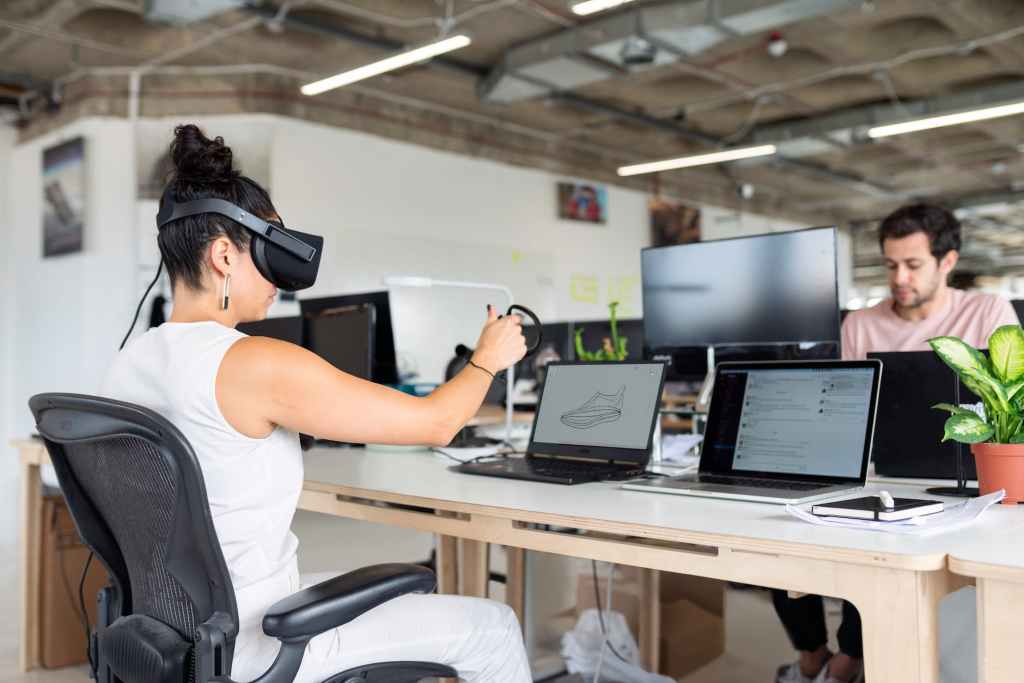
Like anything in life, there are the good, the bad, and the ugly aspects to consider, and a virtual office is no exception. Having worked in virtual offices, I’ve come to appreciate the nuanced advantages and disadvantages they bring to the table.
The Good: Flexibility and Access to Top Talent
The good side of virtual offices is undeniably enticing. It all boils down to the remarkable flexibility they offer individuals and companies. For businesses, a virtual office is a game-changer regarding workforce diversity. You can scour the globe for the best talent, unrestricted by geographical boundaries. Your team can comprise the crème de la crème of professionals, regardless of where they reside.
Moreover, virtual offices provide employees with a work environment that caters to their unique needs. No more long commutes or rigid office hours. Employees can be free to choose their workspace to optimize their surroundings for maximum productivity. This flexibility often leads to a happier, more motivated workforce.
The Bad: Measuring Impact
However, the bad side of virtual offices is a murky territory that businesses must navigate carefully. While it’s clear that the benefits of a flexible work environment are substantial, measuring the impact can be challenging. In a physical office, it’s easier to gauge employee performance through direct observation. However, in a virtual setting, you must rely on specific business metrics to assess productivity and contribution accurately.
Companies must implement robust performance measurement systems, track key performance indicators (KPIs), and maintain open communication channels. Without these tools and practices in place, it becomes increasingly challenging to determine whether employees and roles are providing a positive return on the company’s investment.
The Ugly: Compatibility Issues
The ugly truth about virtual offices is that they’re not a one-size-fits-all solution. Not all individuals are cut out for remote work, nor do they necessarily want it. Some people thrive in the structured environment of a physical office, while others may struggle to stay disciplined when working from home.
This poses a significant challenge for companies, as they might lose out on exceptional talent who prefer a traditional office setting. Additionally, some roles may require constant physical presence, making them incompatible with a virtual office setup. As a result, companies could struggle to hire for these positions or retain talent that thrives in a physical workspace.
Finding the Balance
The world of virtual offices presents a mixed bag of advantages and disadvantages. The ability to access top talent and offer flexibility to employees are undoubtedly strong arguments in favor. However, the challenge lies in effectively measuring impact and acknowledging that not everyone is suited for remote work.
To make a virtual office work successfully, balancing the good, the bad, and the ugly aspects is crucial. Companies must implement robust performance measurement systems, tailor their hiring strategies to accommodate different work preferences and foster a culture of trust and collaboration among remote teams. Only then can businesses genuinely harness the potential benefits while mitigating the downsides of a virtual office environment.
 Windy Woods Digital Solutions
Leave a comment